[FOR ENGLISH PLEASE SCROLL DOWN]
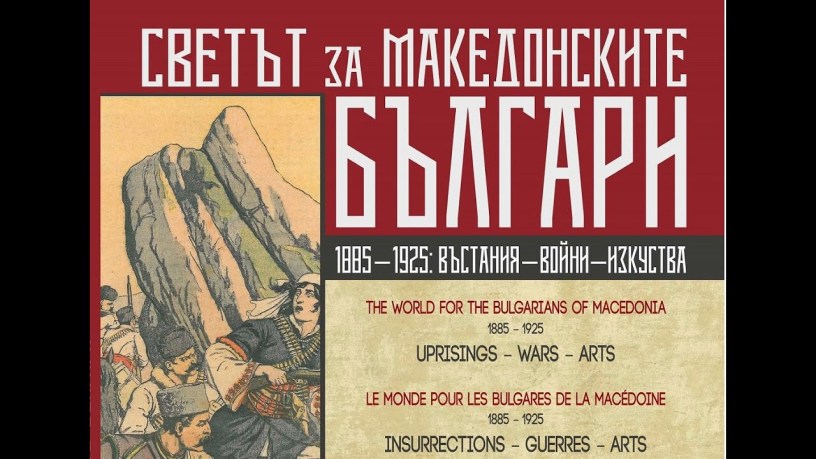
КАКВО КАЗВА СВЕТЪТ ЗА МАКЕДОНИЯ – точни цитати и факсимилета от чужди (не български) репортажи и анализи:
- Книгата „Светът за македонските българи“ се базира изцяло на публикации в Европа и Америка. Читателят ще види сканирани съобщения и репортажи, анализи и илюстрации от английските Graphic, Illustrated London News, Black&White, Sphere; американските Harpers Weekley, Christian Herald; френските Le Monde Illustre, Pelerin, La Vie Illustee; италианските Illustrazionne Italiana, Tribuna Illustrata, Domenica del Corriere; германските Illustrirte Zeitung, Gartenlaube
- През цялата 1903 г. – преди, по време и след Илинденско-Преображенското въстание – репортажите и анализите на водещите новинарски списания на английски, френски, немски, италиански информират за въстанието на македонските българи и техните страдания след неговото потушаване.
- Ето какво пише в анализа си англичанинът Брайлсфорд, който публикува книга и етнографска карта на Македония: „Беше 1893 г., когато група влиятелни македонски българи се събраха в една къща в Ресен и основаха „Вътрешна организация“. Двама от тях още са водачи на движението – Дамян Груев, учител в Солун, който изостави сигурна кариера и добър доход, за да стане конспиратор и нелегален, и Христо Татарчев, преди доктор в Солун, чиито изискани маниери и светски познания го направиха дипломата на комитета, изпратен да ръководи дейността му от София… Моментът, за който българското население се подготвяше от десет години, дойде по време на празника на пророк Илия – неделната вечер на 2 август 1903 г… Македонските българи, макар и да са достигнали нормите на моралността и цивилизацията, не трябва да бъдат съдени по тях, а по техния кураж и тяхната решимост да се борят за нещо по-добро. С историята на тяхната десетгодишна борба те са заслужили нашите симпатии“.
- Кратка и ясна е оценката на шведския писател и преводач Алфред Йенсен: „Македонските българи – народът, с който най-много имах досег по време на моето пътуване – ми направиха добро впечатление. Те говорят на западнобългарски диалект“.
- Ето какво пише и Артър Смит (американски кореспондент): „По това време в Македония се вихреха три бунта срещу турците – български, гръцки и сръбски. От тях българският бунт беше най-важен и бе най-познат на света. Това не е нещо учудващо, защото българите несъмнено съставляват мнозинството на македонското население… Изначално трябва да се запомни, че няма специфичен македонски народ… Македонският българин е същият като българина в самата България“.
Връзка към книгата: https://www.ciela.com/svet-t-za-makedonskite-b-lgari.html
English version:
WHAT THE WORLD SAYS ABOUT MACEDONIA – exact quotes and facsimiles from foreign (non-Bulgarian) reports and analyses:
- The book „The World for the Bulgarians of Macedonia„ is based entirely on publications in Europe and America. The reader will see scanned publications, reports, analyzes and illustrations from the English Graphic, Illustrated London News, Black&White, Sphere; the American Harpers Weekley, Christian Herald; the French Le Monde Illustre, Pelerin, La Vie Illustee; the Italian Illustrazionne Italiana, Tribuna Illustrata, Domenica del Corriere; the German Illustrirte Zeitung, Gartenlaube.
- Throughout 1903 – before, during and after the Ilinden–Preobrazhenie Uprising – the reports and analyzes of the leading news magazines in English, French, German, Italian informed about the uprising of the Macedonian Bulgarians and their suffering after its suppression.
- This is what the Englishman Brailsford, who published a book and an ethnographic map of Macedonia, wrote in his analysis: „It was 1893 when a group of influential Macedonian Bulgarians gathered in a house in Resen and founded an ‘Internal Organization’. Two of them are still leaders of the movement – Damyan Gruev, a teacher in Thessaloniki who left a secure career and a good income to become a conspirator and illegal, and Hristo Tatarchev, previously a doctor in Thessaloniki whose manners and knowledge made him a diplomat of the committee, sent to run from Sofia… The moment for which the Bulgarian population had been preparing for ten years came during the feast of Prophet Elijah – Sunday evening, August 2, 1903… The Macedonian Bulgarians, although they have reached the standards of morality and civilization, they should not be judged by them, but by their courage and their determination in striving for better things. The history of their ten years` struggle is their title to our sympathy.“
- Short and clear is the assessment of the Swedish writer and translator Alfred Jensen: „The Macedonian Bulgarians, the people with whom I had the most contact during my trip, left a good impression on me. They speak a Western Bulgarian dialect.“
- Here is also what Arthur Smith (an American correspondent) writes: „At that time in Macedonia there were three rebellions against the Turks – Bulgarian, Greek and Serbian. Of them, the most important and well-known was the Bulgarian, which is not surprising since the Bulgarians are undoubtedly the majority of the Macedonian population. It should be remembered that there is no separate Macedonian people… The Macedonian Bulgarian is the same as the Bulgarian in Bulgaria itself.„
Link to the book: https://iztok-zapad.eu/en/svetat-za-makedonskite-balgari

